November 12, 2026
Keeping a home warm and comfortable throughout the colder seasons requires reliable fuel management and an understanding of how residential systems operate. Homeowners rely on consistent energy sources to maintain their indoor climates, making fuel logistics an essential part of household maintenance. A crucial aspect of this process is understanding how the physical dimensions of your storage equipment directly affect the logistics of your heating oil delivery. When a property is equipped with a properly sized storage container, managing fuel resources becomes significantly easier and much more predictable for the property owner. Homeowners often overlook the intricate relationship between the physical size of their fuel container and the frequency at which they must schedule a replenishment visit. A massive container naturally holds a greater volume of fuel, which fundamentally changes how often a supply truck must visit the property to replenish the reserve. By comprehending the dynamic relationship between total storage capacity and ongoing replenishment schedules, homeowners can fully optimize their fuel management strategy. This proactive approach ensures consistent warmth and completely avoids the severe inconvenience of unexpected shortages during periods of absolute peak demand.
The Basics of Storage Capacity
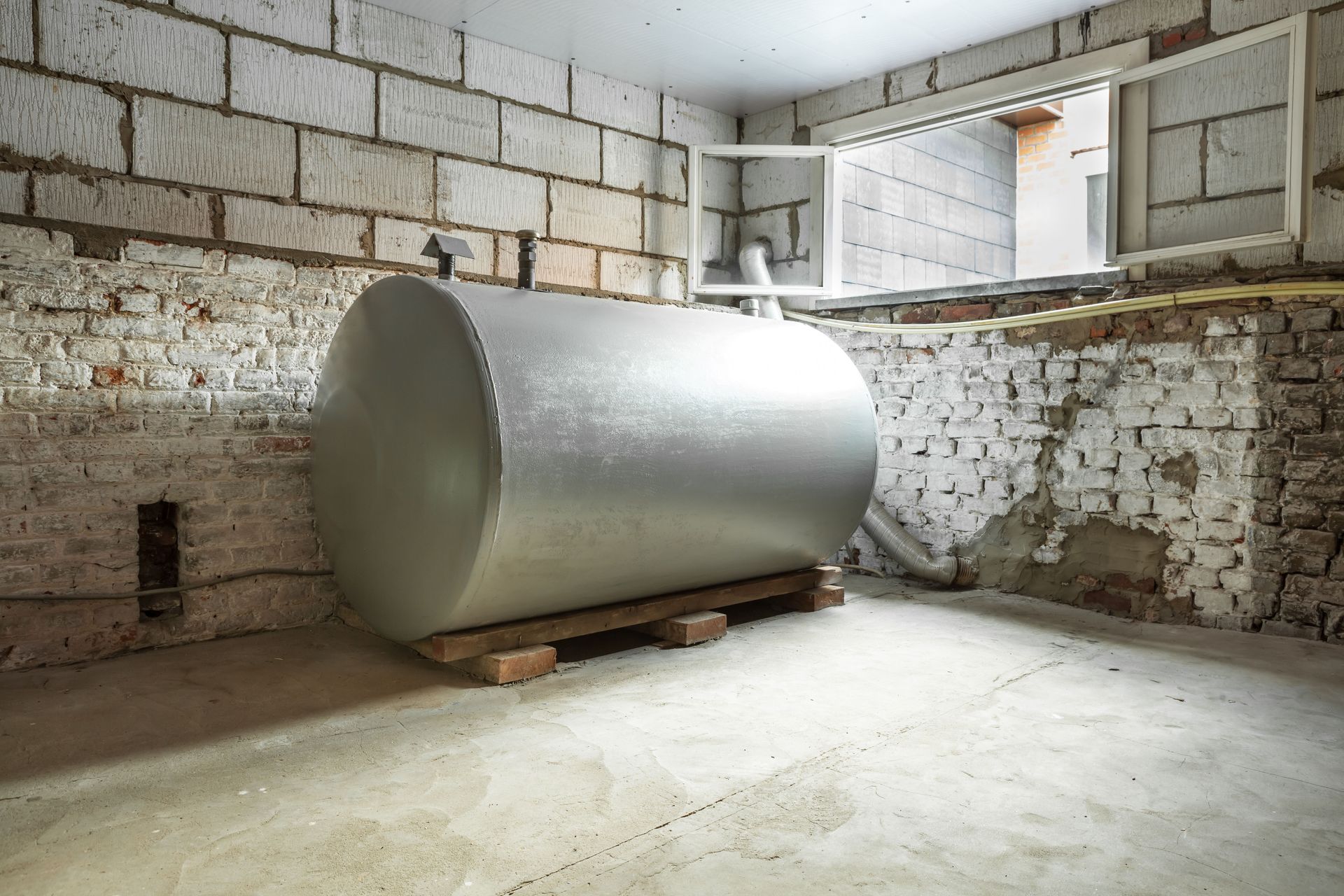
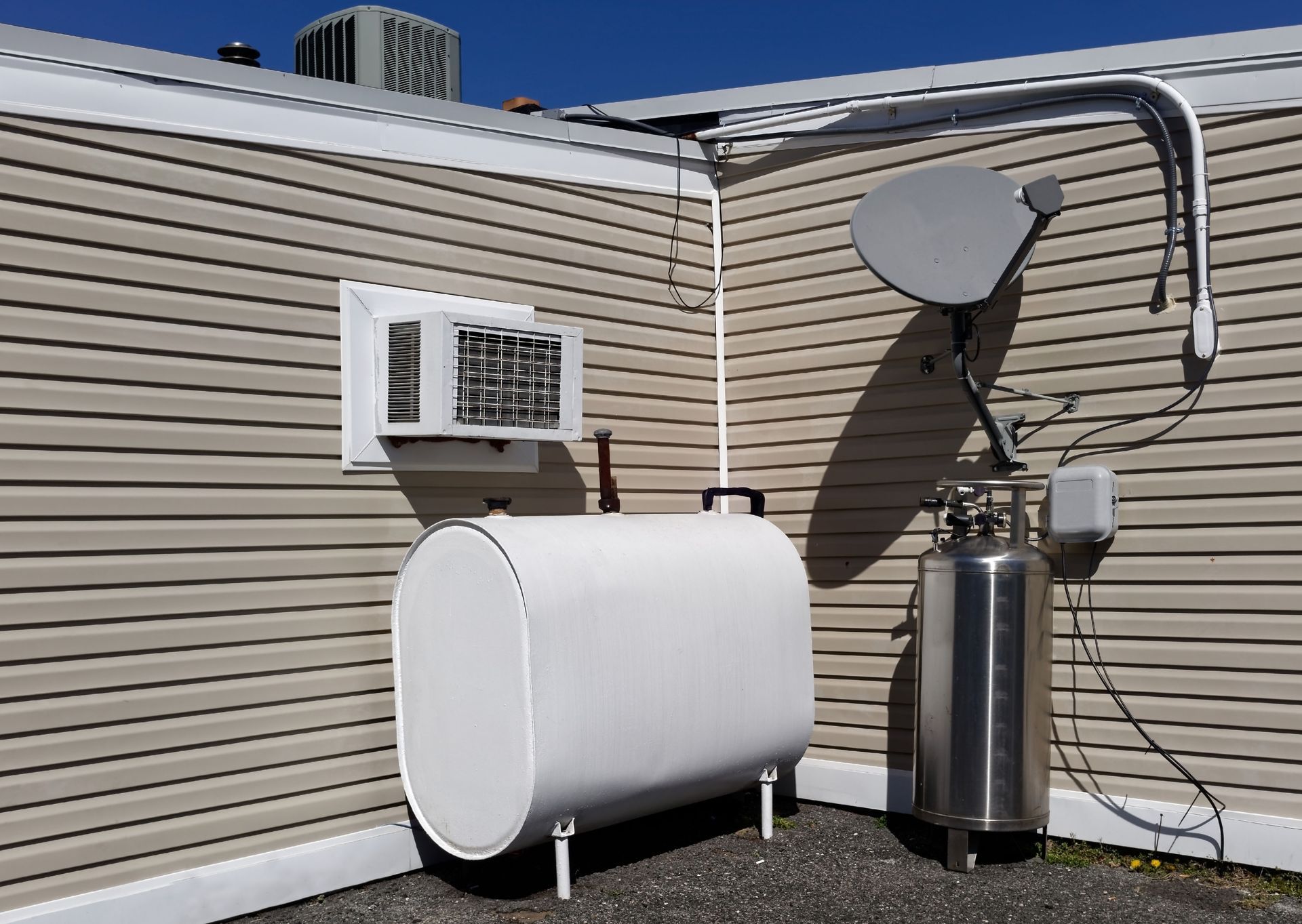
Understanding the physical constraints of a home heating system begins with carefully examining the primary storage component. Every property features unique spatial limitations and overarching energy requirements, which dictate the specific type of equipment installed on the premises. The physical dimensions of a storage container determine the absolute maximum volume of fuel kept on the property at any given moment. According to This Old House, residential heating oil tanks can range in size from 275 gallons to 1,000 gallons. This massive variation in size directly influences the overall strategy for ongoing property maintenance and fuel procurement. When a property features a smaller container, the available reserve is inherently limited, requiring careful, continuous monitoring to prevent complete depletion. Conversely, a massive container provides a substantial protective buffer, allowing the property owner to weather extended cold spells without any immediate concern for low fuel levels. The total available capacity acts as a mathematical baseline for calculating the necessary frequency of your heating oil delivery. Property owners must familiarize themselves with the exact specifications of their installed equipment to accurately forecast when a refill will become entirely necessary and to maintain an uninterrupted supply of essential warmth.
The Frequency of Fuel Replenishment
The physical volume of a storage container firmly dictates the exact timeline for scheduling a replenishment visit. Homeowners with expansive storage capabilities enjoy the distinct, powerful advantage of scheduling significantly fewer refills throughout the entire cold weather season. This extended timeline offers immense logistical convenience and massively reduces the cognitive load of constantly monitoring fluctuating fuel gauges. On the other hand, properties equipped with more compact storage systems must adopt a much more vigilant and proactive approach to fuel management. A restricted storage volume means the protective buffer between a full container and an absolutely empty container is significantly narrower. Consequently, a property with highly restricted storage space will inevitably require a heating oil delivery much more frequently to sustain consistent indoor temperatures. This heavily heightened frequency demands remarkably proactive scheduling and a keen, constant awareness of current fuel levels. It becomes a highly delicate balancing act to ensure the essential supply never drops to a truly critical point. Recognizing this direct correlation deeply empowers property owners to establish a highly customized replenishment routine that perfectly aligns with their specific equipment constraints and their overarching thermal comfort goals.
The Importance of Seasonal Planning
External weather patterns heavily influence the exact rate at which a property consumes energy, making strategic foresight a highly critical component of daily fuel management. As outdoor temperatures plummet, furnaces and boilers must operate for vastly extended durations to overcome the persistent chill, resulting in a rapid, noticeable acceleration of fuel consumption. During these highly intense periods of peak demand, the inherent capacity of the storage equipment is truly put to the ultimate test. A substantial container offers a reassuring, deep cushion, easily absorbing the highly increased usage without instantly triggering a logistical crisis. However, smaller storage systems very quickly reveal their inherent limitations during severe cold snaps. The heavily accelerated consumption rate rapidly depletes the small available reserve, drastically shrinking the vital window of time before a replenishment is absolutely mandatory. Because regional supply networks typically experience their heaviest logistical volume during these extreme weather events, precise timing becomes absolutely critical. Having a firm, clear grasp on how storage volume interacts with accelerated cold weather usage ensures that a crucial heating oil delivery is scheduled well in advance of a completely depleted reserve, completely avoiding the severe discomfort of a totally unheated home.
The Impact of Household Consumption
Moving entirely beyond external weather conditions, the highly unique habits and structural characteristics of the household itself play a massive, undeniable role in dictating the overall replenishment timeline. The core structural integrity of the home, the overall quality of its thermal insulation, and the highly personal temperature preferences of the daily occupants all merge to create a highly distinct consumption profile. A sprawling property with older windows will naturally burn through essential resources much faster than a thoroughly modernized, tightly sealed modern residence. When a property features an exceptionally high consumption profile paired directly with a relatively modest storage container, the daily logistical challenges multiply rapidly. The property owner must remain exceptionally hyper-vigilant, as the supply will drain at a heavily accelerated pace even during relatively moderate weather conditions. Deeply understanding this highly personalized consumption rate is vitally important for predicting the precise moment a fresh supply is urgently needed. Homeowners must carefully synthesize their known usage patterns with their total available storage volume to create an incredibly accurate forecast for their next heating oil delivery. This highly personalized approach firmly guarantees that the scheduling rhythm matches the actual, real-world energy demands of the highly specific residence.
The Benefits of Proper Sizing
While modifying an existing storage system inevitably requires a considerable upfront investment, aligning the equipment size precisely with the true demands of the property yields highly profound long-term advantages. An optimally sized container dramatically reduces the daily logistical friction deeply associated with routine property management. By vastly expanding the available safety reserve, property owners instantly decrease the overall frequency of necessary refills required per season. This massive reduction in frequency translates directly to vastly enhanced peace of mind, as the constant, nagging worry of an impending empty container is almost completely eliminated. Furthermore, an appropriately scaled storage solution provides a highly powerful safeguard against unexpected logistical disruptions or sudden, severe weather anomalies that might otherwise cause a highly rapid depletion of essential resources. The unique ability to purchase larger quantities at once also allows homeowners to vastly better manage their seasonal household budget. Ultimately, ensuring the total storage capacity accurately reflects the true consumption habits of the home thoroughly streamlines the entire process of securely scheduling a heating oil delivery, transforming a potentially stressful ongoing task into a highly seamless, incredibly predictable element of routine property maintenance.
Maintaining a consistently warm and incredibly comfortable residence relies entirely on a deep understanding of household infrastructure and proactive fuel management. The actual physical dimensions of the storage equipment firmly dictate virtually every aspect of the ongoing replenishment timeline, deeply shaping the vital frequency of refills and heavily influencing overall seasonal readiness. By very carefully evaluating the highly dynamic relationship between total storage volume, personalized consumption rates, and constantly fluctuating weather patterns, homeowners can easily anticipate their true energy needs and completely eliminate the risk of a fully depleted supply. A highly strategically managed system offers truly immense peace of mind, firmly ensuring that the property remains fully equipped to handle even the absolute most severe winter conditions entirely without interruption. Taking complete, decisive control of the replenishment schedule allows for a highly seamless, entirely stress-free approach to essential home maintenance. Reach out to City Fuel Corp today to learn more about securing a highly consistent and deeply dependable heating oil delivery for your home.